
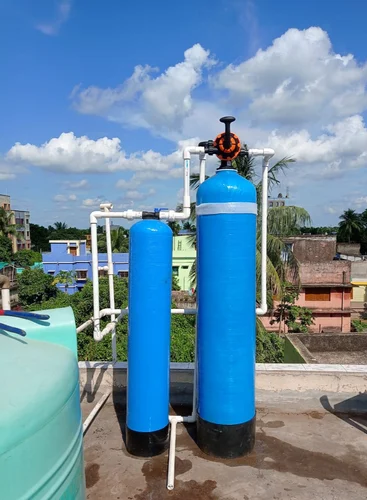
Iron Removal Filter, Water Softener, or Both? A Decision Guide for Kil Ayanambakkam Homes
Homeowners in Kil Ayanambakkam often face two separate water quality issues at the same time: iron contamination and water hardness. Because both problems come from borewell water and can look similar at first glance, many people end up buying an iron removal system when what they actually need is a water softener, or the other way around. Each of these solves a different problem, and understanding the difference is the first step to fixing your water the right way instead of guessing.
Two Different Problems, One Water Source
Iron contamination usually shows up as yellow, orange, or reddish-tinted water, along with a metallic taste and rust colored stains on clothes or fittings. Hardness, on the other hand, shows up as white scale buildup on taps, soap that refuses to lather properly, and skin or hair that feels dry after a bath. Both issues typically trace back to the same borewell source, and it is common for homes in Kil Ayanambakkam to be dealing with both at once rather than just one. This is exactly why choosing the right treatment matters more than picking whichever product a neighbor happened to install.
What Each System Actually Does
| System | What It Treats | How It Works | Visible Result |
|---|---|---|---|
| Iron removal system | Dissolved and suspended iron | Oxidizes ferrous iron into ferric form, then filters it out | Clear, odor-free water without rust stains |
| Water softener | Calcium and magnesium hardness | Ion exchange process replaces hardness minerals with sodium | No scale buildup, better lather, softer skin and hair |
The unit that treats discoloration and odor is not built to fix scale, and the one that fixes scale is not built to clear rust colored water. Many households only realize they need both once a proper water test is done rather than relying on guesswork.
Reading the Signs at Home
Before assuming which treatment applies to your home, it helps to look closely at what is actually happening day to day. Common signs include:
- Yellow or brown water that appears after the tank has been sitting for a few hours.
- Faint rust patches on washed clothes.
- Metallic smell near the tap.
- White chalky deposits around fittings.
- Filmy residue on utensils.
- Soap that takes longer than usual to lather.
Since Kil Ayanambakkam depends heavily on groundwater passing through mineral-rich soil, it is fairly common to notice a combination of both sets of signs rather than just one, which is where confusion usually begins for most homeowners.
What Happens If You Only Treat One Problem
Installing just one type of unit when both issues are present rarely gives lasting results. A softener placed without any pre-treatment for iron can have its resin bed fouled quickly, since untreated iron coats the resin and reduces its exchange capacity over time. On the other hand, an iron removal unit alone will clear the color and smell but does nothing for scale building up inside geysers or washing machines. This is why many complaints about a system not working as expected actually trace back to installing the wrong combination in the first place, rather than a fault with the equipment itself.
Why a Combined Setup Often Makes More Sense
When a water test shows both high iron and high hardness, installing a combined setup is usually more practical than treating one problem and ignoring the other. Placing iron treatment ahead of the water softening stage protects the resin bed from fouling, which extends the working life of the whole system considerably. This sequencing tends to be more cost-effective over time than adding a second standalone unit later once the first one is already damaged. Nollet RO designs many of its installations in Kil Ayanambakkam around exactly this combined approach, since it reflects what the local water actually needs rather than a generic assumption based on other areas.
Making the Decision Without Guesswork
The safest way to decide is to start with an actual water test rather than relying on symptoms alone.
- If only iron levels are high, a standalone iron removal system is sufficient on its own.
- If only hardness is elevated, a water softener will do the job without any additional stage.
- If both readings come back high, which is fairly common across parts of Kil Ayanambakkam, a combined setup sized for your household consumption is the more durable long-term choice.
Nollet RO RO offers an on-site testing service before recommending any equipment, so the decision is based on your actual water rather than a one-size-fits-all suggestion, and the full range of options can be reviewed on the Iron Removal System page and the Water Softener page before making a final choice.
Conclusion
Choosing the right water treatment does not need to be a guessing game once you know what each system is actually built to solve. For a large number of homes in Kil Ayanambakkam, both iron and hardness exist together in the same borewell supply, which is why a combined approach tends to be the more sensible investment rather than treating just one symptom and hoping the rest resolves on its own. Nollet RO has helped many households in the area test their water properly and choose equipment that fixes the actual problem instead of masking it temporarily. If you are still unsure which one your home needs, get in touch through the Contact Nollet RO page and arrange a proper water test before deciding.